With climate change elevating faster than anticipated by scientists, weather patterns and extreme natural events are escalating. South Africa is not exempt from this. As summarised recently by the World Wildlife Fund (WWF) South African arm: “South Africans are being hit by three climate threats at once this summer of 2025/2026: destructive floods in the north-east, extensive wildfires in the south-west, and water shortages everywhere between.”
Mpfunzeni Tshindan is a climate change adaptation specialist who is passionate about driving climate change adaptation for both urban and rural communities. He consulted with the WWF on how citizens can prepare themselves when faced with a weather-based crisis.
Floods: too much water arriving too fast
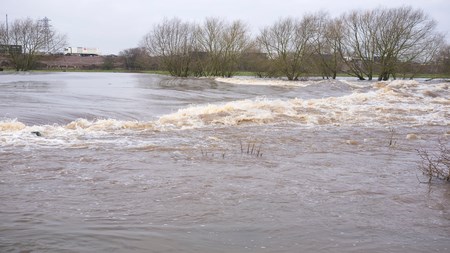
Heavy rainfall since December, followed by an intense tropical low sucking up moisture from the Mozambique channel, has caused severe flooding in Limpopo and Mpumalanga. The floods have claimed lives, washed away roads, damaged homes, and disrupted schools, clinics, and businesses. Drainage systems were overwhelmed, and low-lying communities took the hardest hit.
What you can do
Floods are especially dangerous because they can strike suddenly, often overnight, leaving little time to react.
That is why community warning systems are crucial.
- Start a neighbourhood flood watch
Communities don’t need fancy equipment to spot danger early. Watching local rivers, streams, and low-lying bridges and sharing warnings from the South African Weather Service via WhatsApp groups can save lives by giving people time to move to higher ground.
- Keep drains clear
Blocked stormwater drains are one of the biggest reasons floods cause damage in towns and informal settlements. Community clean-up days that remove plastic, debris, and sand from drains can make a real difference during heavy downpours.
- Rebuild smarter, not just faster
After floods, it’s tempting to rebuild exactly as before. But “building back better” means strengthening homes and avoiding flood-prone areas where possible, so the same disaster doesn’t repeat itself next season.
- Fire: when heat, wind, and dry land collide
The Western Cape is experiencing one of its most intense wildfire seasons in years. Extreme heat, dry vegetation and strong winds have fuelled fires across the Overberg, Cape winelands and Cape Town, threatening homes, farms and natural ecosystems. Fires move fast, and once they’re out of control, firefighters can only do so much.
What you can do
- Create fire breaks around homes
Clearing dry grass, alien invasive trees and overhanging branches creates a buffer that can slow or stop a fire from reaching buildings. This works best when neighbours coordinate, not when households act alone.
- Reduce fuel before fire season
Controlled burns, alien plant removal and regular clearing around settlements help reduce the amount of dry vegetation that feeds wildfires. These actions lower fire intensity before disaster strikes.
- Support local firefighting efforts
Clear communication and early warnings save lives. Communities that know evacuation routes and act early are far safer than those that wait too long. Always have prevention top of mind so that you do not add to the burden. For example, cover up open fires with sand to ensure embers do not fly off and start another fire.
Water scarcity: when taps and springs start running dry
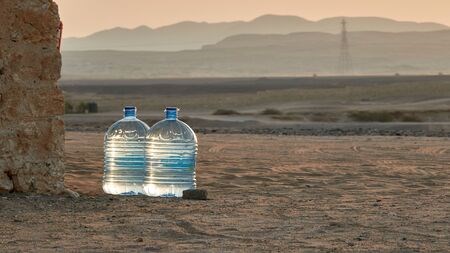
Water shortages are no longer a future risk. They are a present crisis. Towns like Knysna have faced supply failures that affect households, schools, hospitals, tourism, businesses and farms. Similar pressures are being felt across the country.
Even when dams look full, broken pipes, leaks, and high demand can push areas towards local “Day Zero” situations.
What you can do
- Share water in emergencies
Neighbours with boreholes or large rainwater tanks can help by setting up emergency access points for drinking and basic hygiene when municipal supply fails. Community cooperation matters most during extended outages.
- Report leaks immediately
A single burst pipe can drain massive amounts of water in hours. Community “leak patrols” that report problems via municipal apps or hotlines help protect everyone’s supply.
- Reuse water where possible
Reducing your water use, and reusing what you can, are helpful to the whole community. Simple greywater systems that reuse bath or laundry water for flushing toilets can dramatically reduce household water use. These DIY solutions are especially important during strict water restrictions.
- Stick to restrictions – they protect essential services
Water limits aren’t just about households. They help ensure clinics, schools and fire services still have water when it’s needed most.
“Floods, wildfires and water shortages may look like separate problems, but they are connected by one reality: a changing climate is putting pressure on our systems and our communities,” says Tshindan in his WWF report. “National and local government responses are essential, and we must ensure our elected leaders respond to climate change with urgency and ambition, but everyday actions at street and neighbourhood level can also reduce risk, protect lives and build resilience. “Extreme weather is becoming the new normal. How we respond will determine how well we cope with it.”