A property investment approach that appeals to those with the right mix of energy, skill, and capital is house flipping. This strategy, sometimes called sweat equity, involves buying a property, renovating it, and selling it for a profit. While it can be lucrative, success requires in-depth market knowledge, strong budgeting skills, and careful planning.
Before you start, ask yourself:
Do you understand local property market trends?
How familiar are you with construction and renovations?
Do you have a trusted network of contractors?
Are you confident in managing budgets and timelines?
Can you commit the time to manage the project?
Do you have the tools or equipment for DIY work?
Are you willing to research suburb-specific values and demand?
Read our property flipping guide on how to run your numbers before taking the plunge.
The financial reality of house flipping
Flipping requires significant upfront investment. While you may find properties with potential, renovation costs can escalate quickly, and unexpected expenses are common. If financed through a home loan, you’ll need to cover instalments during renovations without any return until the property sells.
One of the most common mistakes first-time flippers make is overcapitalising, spending more on renovations than the home’s resale value can justify. If this happens, renting the property out temporarily might be necessary to recover some costs.
Understand all the costs involved in flipping before committing.
Build your flipping team
Unless you can legally and safely do the work yourself, you’ll need a team of professionals, including:
Accredited electricians and plumbers
Specialist builders (e.g., kitchen renovators)
A local real estate agent for valuation and eventual sale
Carpenters, flooring experts, painters, and landscapers
A financial consultant to manage budgets
Professional inspectors for structural assessments
Choosing the right property
Define your area: ideally close to your home to cut travel time. Decide on your price range and the level of renovation you’re prepared to take on. A good estate agent can help you spot opportunities, including deceased estate sales, which are often priced for quick disposal.
Tips for identifying the right property:
Look for homes with good bones and solid structure
Choose areas with above-average value appreciation
Focus on distressed properties in desirable suburbs
Check proximity to public transport, schools, shops, and medical facilities
Watch for upcoming infrastructure projects that could affect demand
Start small — a modest home in a good neighbourhood often yields the best results
Know the market value of the renovated property before making an offer.
Negotiating and making offers
Follow the 70% rule, never pay more than 70% of the property’s after-renovation value minus estimated repair costs (read more on the 70% rule).
Other negotiation tips:
Always try to reduce the price, regardless of competition
Check how long the property has been on the market
Compare recent sales of similar properties in the same area
Renovation priorities after purchase
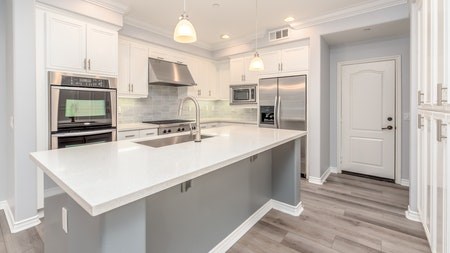
Kitchens and bathrooms: often the biggest selling points
Flooring upgrades: replace old carpets, update tiles, or refinish hardwood
Curb appeal: trim trees, clean driveways, and add plants
Paint: choose modern, neutral colours for a cohesive look
If possible, live in the property briefly before selling, you’ll identify practical issues that may need fixing. Stick to your budget, and avoid over-customising, as the goal is to appeal to the widest possible pool of buyers.
Local insights
In South Africa, flipping potential is strongest in suburbs experiencing gentrification or high demand. Popular areas for first-time flippers often include parts of Johannesburg’s inner city, Cape Town’s southern suburbs, and Durban’s north coast, but opportunities exist nationwide. Always assess suburb-level sales data before committing.
How to find the best property to flip
Finding the right home is the foundation of a successful flip. You need a property that’s priced below market value but has the potential to increase in worth after renovations.
Here’s how to start your search:
- Use our advanced search filters on Private Property to browse homes in your preferred area and price range.
- Set up property alerts so you’re notified immediately when new listings match your criteria.
Search for fixer-uppers in high-demand suburbs, these often appear under “renovator’s dream” or “needs TLC” in the listing description. Add promising properties to your wishlist so you can track price changes, monitor availability, and compare them side-by-side. (You will need to sign up using your email address in order to use this feature)
Look for motivated sellers, such as those in a hurry to relocate or settle an estate.
Compare recent sales data on our listings to understand local price trends and resale potential.
Once you’ve identified potential properties, save them to your favourites so you can track price changes and availability. This keeps you organised and ready to act fast when the right opportunity arises.
The more properties you view, the sharper your instincts become. Aim to browse at least 100 listings before making an offer, you’ll spot the best opportunities faster and negotiate with confidence.