Keeping your home financially secure requires careful planning, smart saving, and preparing for unexpected costs.
With the cost of living rising faster than many salaries, homeowners are increasingly worried about whether they will be able to afford to keep their property in the years ahead.
While your home loan repayment may be manageable today, many other household costs continue to rise, which makes creative budgeting and forward planning more important than ever.
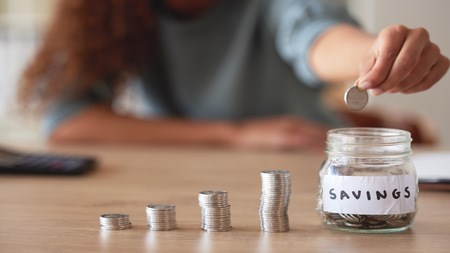
We understand the statement 'saving for a rainy day’, to mean that we need savings to cover unexpected financial challenges. These would cover things that aren’t a usual monthly expense, like a medical bill or car repair. Today, however, we now need to ensure we have savings enough to protect our homeownership investment.
This is putting immense pressure on households that are already struggling to make ends meet and is why at least a six-month savings buffer is so crucial.
These are the areas where your savings may need to be directed in your home.
Home repairs
Unexpected repairs are one of the biggest financial shocks homeowners face. Having money set aside means you can deal with these types of emergencies immediately without needing to use credit facilities.
- Burst geysers.
- Plumbing emergencies.
- Electrical faults.
- Roof leaks.
- Broken gates or garage doors.
- Damage that is not covered by insurance.
- The excess on your insurance claims.
Maintenance
Every home needs regular upkeep. A well-maintained home prevents larger repair bills and protects the property's long-term value. The jobs that ensure that value sustains include the following:
- Exterior, and to some extent interior, painting.
- Roof repairs.
- Garden and swimming pool.
- Fence repairs.
- Waterproofing.
- Pest control.
Municipal increases
Municipal rates and service charges generally increase every year. Building these increases into your annual budget can help avoid unpleasant surprises:
- Higher electricity tariffs.
- Water tariff increases.
- Property rates.
- Refuse removal.
- Sewerage charges.
Insurance
Many homeowners have building insurance given it is a condition of a home loan but overlook one important detail: with every claim, you will need to pay an excess. Not having that amount available when submitting a claim will likely mean your claim will not be accepted, which will cost you more in the long term.
Security
Keeping your home secure is an ongoing investment. At least you need to ensure that your doors and windows are secure, and access is monitored. Security improvements can also make your property more attractive to future buyers. Ensure you are monitoring the efficiencies and costs associated with:
- Alarm servicing, battery replacement, and annual radio licence.
- Electric fence repairs.
- CCTV maintenance.
- Outdoor lighting.
- Security gates.
- Replacing aging security equipment.
Appliances
Household appliances don't last forever. Replacing essential appliances when they break beyond repair is far less stressful than relying on credit or a personal loan. Work towards savings to replace:
- Refrigerators.
- Washing machines.
- Stoves.
- Geysers.
- Air conditioners.
- Television.
Extra home loan repayments
If your budget allows, consider paying a little extra into your home loan account each month. Even small additional payments can:
- Reduce the total interest paid.
- Shorten your repayment period.
- Build equity faster (the percentage of the home you own versus what the bank owns through the balance of the home loan).
- Improve long-term financial security.
Household budget
Saving becomes easier when you know exactly where your money is going. Over time even small monthly savings add up and can be redirected into your emergency fund or home loan account. Keep an eye on where you can save by regularly reviewing the costs associated with:
- Streaming subscriptions.
- Gym memberships.
- Insurance premiums.
- Mobile phone contracts.
- Bank charges.
- Utility usage.
Separate your savings
Avoid keeping all your savings in one account. Having dedicated savings makes it less tempting to spend money intended for your home on other expenses. If you would prefer to have one savings account, ensure that you split those savings into categories like the following:
- Home emergencies.
- Maintenance.
- Municipal increases.
- Insurance excesses.
- Appliance replacement.
Think long term
Owning a home is one of the biggest financial commitments most people will ever make, and it carries monthly expenses to ensure you protect your asset and realise the best price when it comes time to sell.
Saving consistently also helps to reduce financial stress and ensures your home remains a source of security rather than anxiety. While no one can predict every unexpected expense, building dedicated savings over time allows you to face them with greater confidence and peace of mind.