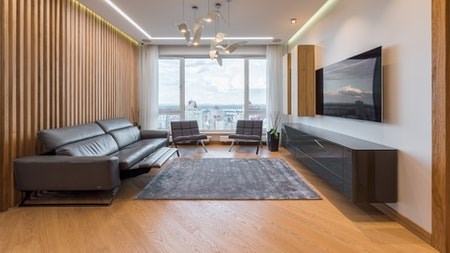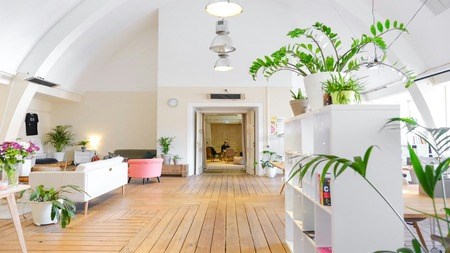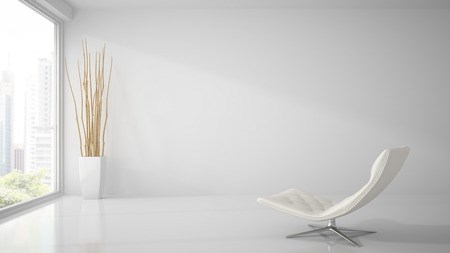
Minimalism isn’t just a design trend — it’s a lifestyle rooted in simplicity, clarity, and intentional living. Whether you’re inspired by the peacefulness of Japanese homes or simply overwhelmed by clutter, minimalism invites you to surround yourself only with what truly matters.
What is a minimalist home?
Minimalism in the home means creating a calm, functional space using only the essentials. That could mean living with just the things you need, or choosing only a few beautiful items that make you feel good. Either way, the key is intention — removing whatever doesn’t serve you, and spotlighting what does.
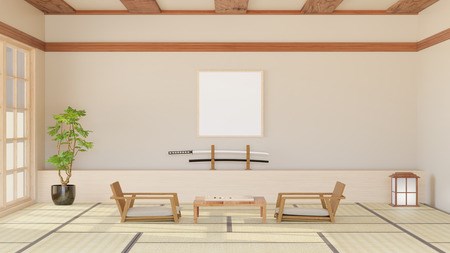
Why the Japanese live minimally — and why it works
Japan has long embraced minimalist principles, not just in home design but in daily life. Here’s why:
Wabi-sabi: This traditional aesthetic values simplicity, imperfection, and transience. A cracked bowl or weathered wood is seen as beautiful — not broken.
Zen Buddhism: With its focus on inner peace, mindfulness, and detachment from material things, Zen has deeply influenced Japanese interiors.
Limited space: Many Japanese homes and apartments are small, which encourages smart storage and thoughtful design.
Less = more: Minimalism helps create visual and emotional space, supporting calm and clarity in a busy world.
Shoes off at the door: This symbolic act marks the boundary between the chaotic outside world and a peaceful, clean home — the essence of minimalist living.
Benefits of a minimalist home
Easier to clean – Less stuff means less dusting, vacuuming, and scrubbing.
Less stress – A tidy space leads to a calmer mind.
More productivity – Fewer distractions help you focus and get more done.
Freedom – You’re no longer tied down by unnecessary belongings.
Spend less – Buying only essentials can lead to real savings.
Visual clarity – You get to truly enjoy the items that spark joy.
More space to breathe – Open areas invite lightness and even support mindfulness or meditation.
Easier to find things – When everything has a place, nothing feels lost.
How to start decluttering
If it doesn’t serve a purpose or bring you joy — let it go. Here’s a simple approach:
Room-by-room or category-by-category: Focus on one area at a time (e.g. clothes, artwork, appliances).
Sort items into six piles:
- Keep
- Sell
- Repurpose/recycle
- Fix or mend
- Donate
- Trash

Use the 12-12-12 rule: Find 12 items to throw away, 12 to donate, and 12 to recycle — a great trick when you're feeling overwhelmed.
Apply the 10-second rule: If you can’t remember the last time you used something within 10 seconds, you probably don’t need it.
Set a deadline: Choose a date to complete the process. Larger homes may take longer, so plan accordingly.
Clean and empty the space
Once decluttering is done:
Clean thoroughly — Treat this like a reset.
Repaint in a neutral shade — Think cream, light grey, soft beige.
Empty the room as much as possible — Push large items to the edge or remove what you can. You may discover better furniture placement this way.
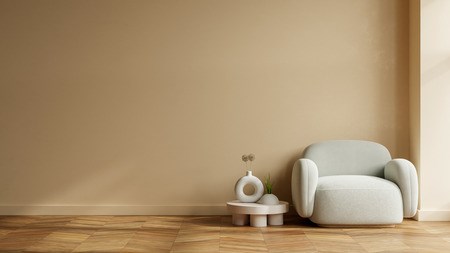
Restyle with intention
Start fresh:
Choose one piece you love — a chair, a rug, or artwork — and make it the centerpiece.
Build the space around that using matching tones or textures.
Keep things light — both in color and furniture size.
Add nature — a plant, a branch in a vase, something simple and grounding.
Don’t over-decorate. Let the space breathe.
Final tip: protect your new minimalist mindset
As you declutter, clean, and redesign, you may notice a shift — not just in your home, but in your mood. Minimalism often makes people feel lighter, calmer, and more focused.
Just be careful not to slip back into old habits. Don't buy something just because it looks nice — buy it because it fits your space, your lifestyle, and your values.