Rand Water and Johannesburg Water have been implementing measures to manage supply as demand puts increasing pressure on the system.
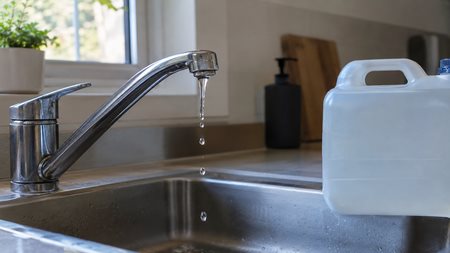
One of these measures is water throttling, which involves deliberately reducing water flow or pressure to manage consumption and allow reservoirs to recover. For affected households, this can mean slower-running taps, reduced pressure, and/or temporary interruptions.
While these latest throttling measures have brought Johannesburg's water problems into sharper focus, some residents have been living with unreliable or non-existent supplies for months. Parktown West, Melville, Brixton and Crosby are among the areas reporting prolonged outages.
In Parktown West, residents told the Mail & Guardian that they had experienced up to 12 weeks without reliable water.
The situation highlights a problem that extends beyond household consumption: ageing infrastructure, delayed repairs, and inadequate water distribution; all of which are leaving some communities struggling to access even their basic daily water needs.
Areas impacted by water throttling in Johannesburg
Johannesburg Water has identified seven supply systems affected by low pressure, intermittent supply, and prolonged outages. These cover parts of Sandton, Midrand, Randburg, Roodepoort, central Johannesburg, Soweto and the Deep South.
The utility has, however, not published a consolidated figure for the number of households affected.
Residents want answers beyond being told consumption is too high. They highlight, as per the Department of Water and Sanitation’s report on 28 October 2026, that the Integrated Vaal River System, which supplies Gauteng and other regions, was at 100.2% of capacity. So why are the taps dry?
The problem lies largely in getting that water reliably from the dams to households.
Water must be abstracted within approved limits, treated, pumped through bulk pipelines, and distributed via municipal infrastructure. Ageing pipes, leaks and substantial water losses, combined with high consumption, place additional pressure on the infrastructure, which needs serious attention.
It doesn’t help that Johannesburg Mayor Dada Morero (26 October) has disputed that the city is experiencing a water crisis, arguing that the situation would only qualify as one if the entire city ran dry.
Johannesburg Water has itself acknowledged severe constraints in its distribution systems, with prolonged outages, and low pressure affecting multiple supply areas.
Why isn't the infrastructure being fixed?
Johannesburg's water infrastructure problems are the result of years of underinvestment, with the scale of the maintenance and replacement backlog now exceeding what the utility can easily address.
Johannesburg Water's 2025/26 business plan put its infrastructure renewal backlog at R26.61 billion and acknowledged that funding limitations were delaying essential work.
However, funding is not the only obstacle. In March 2026, the City had spent just 49% of its R8.43 billion infrastructure capital budget for the financial year, with officials citing procurement delays, contractor performance, site-access problems, and projects not being ready for implementation.
The consequences are visible in the water network: Johannesburg Water replaced just 17km of water pipes in 2023/24, against an estimated annual requirement of 175km to 185km.
Although replacement programmes are under way, the pace of renewal has not matched the scale of deterioration. This means the utility is frequently having to respond to bursts and breakdowns while the underlying infrastructure continues to age.
What is being done to fix the problem
When maintenance is postponed, pipes and other infrastructure deteriorate further. That results in more bursts, leaks, emergency repairs, and interruptions.
Emergency repairs then compete for resources with planned maintenance and infrastructure replacement.
The longer the cycle continues, the more expensive and difficult it becomes to restore the system.
However, Johannesburg Water has a pipe replacement programme and says it intends to replace 428km of water pipelines and 286km of sewer pipelines over five years. It says the programme will prioritise infrastructure that has reached the end of its useful life.
The question is whether the scale and pace of this investment are sufficient to reverse decades of deterioration.
What residents can do while waiting for supply to return
1. Find out where and when water will be available
Don’t rely solely on neighbourhood WhatsApp groups, where information can quickly become outdated. Residents should:
- Check Johannesburg Water's johannesburgwater.co.za and follow its official social media accounts for updates.
- Contact their ward councillor and ask for information about local tanker arrangements.
- Report outages individually, even if neighbours have already reported them.
Water outages have a published response target of 12 hours, although this is not a guarantee that supply will be restored within that period.
2. Ask for emergency water tankers
Where supply has been interrupted for an extended period, residents should ask Johannesburg Water to confirm:
- Where tankers will be stationed.
- When they are expected to arrive.
- Whether the tanker supplies drinking-quality water.
- Whether elderly, disabled or vulnerable residents can receive assistance.
3. Store water safely
If you still have running water intermittently, use the opportunity to build a small emergency supply.
- Keep drinking water in clean, food-grade containers with lids.
- Store drinking water separately from water intended for cleaning or flushing toilets.
- Label containers so family members know which water is safe to drink.
- Keep containers away from direct sunlight and chemicals.
- Clean and refill storage containers regularly.
4. Consider temporary storage before investing in a large tank
A permanent water-storage tank is useful, but not everyone can afford one or has space to install it. Less expensive options include:
- Clean, food-grade water containers.
- Smaller, covered storage drums suitable for non-drinking water.
- Reusing suitable bath and shower water for toilet flushing.
- Keeping a dedicated supply of water for handwashing.
NOTE: Never use containers that previously held chemicals, fuel or cleaning products for drinking water.
5. Make arrangements with neighbours
Water shortages can be particularly difficult for people living alone, older residents, families with babies and people with disabilities. Neighbours can help by:
- Sharing information about tanker locations.
- Helping vulnerable residents collect water.
- Coordinating emergency water deliveries.
- Sharing access to a properly maintained borehole, where available.
- Checking whether elderly neighbours have enough drinking water.
Johannesburg Water's contact centre is 011 375 5555 or 086 056 2874, and website: https://www.johannesburgwater.co.za/.