As living expenses continue to rise, many South African homeowners are looking for practical ways to make their monthly budgets stretch further. From bond repayments and municipal charges to insurance premiums and maintenance costs, the expenses associated with owning a home can add up quickly.
The good news is that reducing housing costs does not necessarily require major lifestyle sacrifices. In many cases, small financial adjustments and smarter household management can lead to meaningful savings over time while protecting the value of your property.
What are the best ways to reduce your monthly housing costs?
The most effective ways to reduce monthly housing costs are reviewing your home loan interest rate, paying extra into your bond when possible, reducing electricity and water consumption, comparing insurance providers, budgeting carefully, and maintaining your property proactively.
Many homeowners focus on cutting discretionary spending, but housing expenses often present some of the biggest opportunities for long-term savings. By identifying areas where money is being lost through inefficiency, waste, or outdated financial products, homeowners can significantly improve affordability without compromising comfort.
The key is to take a long-term view. Small savings made consistently over months and years can have a substantial impact on your overall financial health.
Review your home loan regularly
For most homeowners, the bond repayment is the largest monthly expense. Yet many people accept the home loan they originally secured and never reassess whether it still offers the best value.
Interest rates, lending criteria, and your personal financial position can change over time. If your credit profile has improved or your property has increased in value, you may qualify for more favourable lending terms than when you first purchased your home.
Comparing offers from different financial institutions could help you secure:
- A lower interest rate
- Reduced monthly repayments
- Better repayment flexibility
- Improved customer service
- Access to useful bond features
Even a small reduction in your interest rate can translate into significant savings over the life of the loan.
What REMAX says
According to Adrian Goslett, CEO and Regional Director of REMAX Southern Africa, reducing monthly housing costs often comes down to making strategic financial and lifestyle changes.
“Homeownership remains one of the best investments South Africans can make, but it is important for homeowners to manage their expenses carefully to ensure that their property remains financially sustainable. Even the smallest adjustments can produce significant savings over time,” says Goslett.
One of the most effective ways to lower monthly housing costs is to review your home loan. By comparing offers from different banks or lenders, you may find more competitive terms, including a better interest rate, lower monthly repayments, greater flexibility, or better service.
Homeowners should also try to pay a little extra into their bond whenever possible. Although this may seem counterintuitive when trying to cut costs, extra payments reduce the outstanding balance and can help shorten the repayment period or lower monthly repayments over time.
Insurance premiums should also be reviewed annually. Homeowners are encouraged to compare insurance providers to ensure they are receiving competitive rates and appropriate cover. In some cases, increasing security measures such as installing alarm systems, outdoor lighting, or security gates may help reduce insurance costs.
Goslett advises homeowners to create and maintain a detailed household budget that tracks all household expenses, including bond repayments, rates and taxes, maintenance, insurance, utilities, and levies.
“Many homeowners underestimate the impact of small recurring expenses. Having a clear understanding of where your money is going allows you to identify areas where costs can be reduced without compromising your quality of life,” says Goslett.
He adds that preventative maintenance should not be overlooked, as delaying repairs can often lead to more expensive problems later down the line. Routine upkeep of plumbing, roofing, and electrical systems can help homeowners avoid costly emergency repairs and preserve the long-term value of their property.
“Reducing household costs is not always about making drastic changes, it’s about making informed decisions that improve efficiency, reduce waste, and strengthen long-term financial stability,” he concludes.
Pay extra into your bond when possible
Making additional payments into your bond is one of the most effective ways to reduce the overall cost of homeownership.
While the immediate goal may be to lower monthly expenses, reducing the capital balance on your home loan can generate substantial long-term savings by decreasing the amount of interest charged over the repayment period.
Even relatively small additional payments can:
- Shorten the loan term
- Reduce total interest paid
- Build equity faster
- Improve financial flexibility
Homeowners who receive annual bonuses, tax refunds, or unexpected income may want to consider directing a portion of these funds towards their bond.
Reduce electricity costs
Electricity remains one of the fastest-growing household expenses in South Africa. Managing energy consumption has become increasingly important for homeowners seeking to control monthly costs.
Simple measures can produce noticeable savings:
- Replace old light bulbs with LED alternatives
- Switch appliances off at the wall when not in use
- Install a geyser timer
- Use energy-efficient appliances
- Improve insulation where possible
- Make greater use of natural light
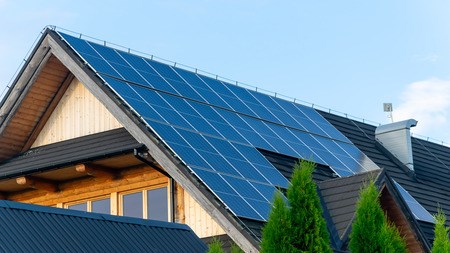
For homeowners with the budget available, solar panels and solar water-heating systems can reduce long-term electricity costs while making the property more attractive to future buyers.
Cut water usage and lower municipal bills
Municipal charges are another major contributor to monthly housing costs. While homeowners have little control over tariff increases, they can control how much water they consume.
Practical water-saving measures include:
- Fixing leaking taps and toilets immediately
- Installing water-efficient fixtures
- Collecting rainwater for gardening
- Watering gardens during cooler periods
- Running dishwashers and washing machines only when full
A small leak can waste a surprising amount of water over time, making regular inspections worthwhile.
Review insurance premiums annually
Homeowners often allow insurance policies to renew automatically year after year without checking whether they are still receiving competitive rates.
An annual review can help ensure that:
- Cover remains appropriate
- Premiums remain competitive
- Security-related discounts are applied
- Excess levels are suitable
- Unnecessary cover is removed
Comparing providers periodically can reveal savings opportunities while ensuring that your home remains adequately protected.
Create a realistic household budget
Budgeting remains one of the most effective tools for controlling housing costs.
A detailed budget should account for:
- Bond repayments
- Rates and taxes
- Levies
- Utilities
- Insurance
- Maintenance
- Security costs
- Internet and communication expenses
Tracking these expenses consistently makes it easier to identify areas where spending can be reduced or managed more effectively.
Many homeowners are surprised by how much seemingly minor recurring expenses contribute to their overall monthly costs.
Prioritise preventative maintenance
Delaying maintenance may seem like a way to save money in the short term, but it often results in larger and more expensive repairs later.
Preventative maintenance helps protect both your finances and your property's value.
Areas that should be inspected regularly include:
- Roofing and gutters
- Plumbing systems
- Electrical installations
- Waterproofing
- Boundary walls and gates
- Security systems
Addressing small problems early is usually far more affordable than dealing with major damage after it occurs.
Review recurring household expenses
Many homeowners focus solely on major housing costs while overlooking smaller monthly commitments.
Review expenses such as:
- Streaming subscriptions
- Fibre packages
- Security contracts
- Garden services
- Pool maintenance services
- Mobile phone contracts
While each expense may appear insignificant on its own, together they can have a noticeable impact on your monthly budget.
Build an emergency fund for homeownership costs
Owning a home inevitably involves unexpected expenses. Whether it is a burst geyser, storm damage, plumbing failure, or appliance replacement, unforeseen costs can arise at any time.
Having a dedicated emergency fund helps homeowners avoid relying on high-interest debt when these situations occur.
Setting aside a small amount each month can create a valuable financial buffer and reduce stress when emergencies arise.
Why reducing housing costs matters
Reducing monthly housing costs is not simply about spending less. It is about improving financial resilience and making homeownership more sustainable over the long term.
Lower housing expenses can help homeowners:
- Improve monthly cash flow
- Pay off debt faster
- Increase savings
- Build wealth through property ownership
- Prepare for unexpected expenses
- Reduce financial stress
The most successful homeowners are often those who consistently manage costs while maintaining their property's condition and value.
Frequently asked questions
1. What is the biggest monthly housing expense for most homeowners?
For most homeowners, bond repayments are the largest housing expense, followed by municipal charges, utilities, insurance, and maintenance costs.
2. Is it worth paying extra into my bond?
Yes. Additional bond payments reduce the capital balance and can significantly lower the total interest paid over the life of the loan.
3. How often should I review my home insurance?
Homeowners should review their insurance cover at least once a year to ensure premiums remain competitive and coverage remains appropriate.
4. How can I reduce my electricity bill at home?
Simple steps such as installing LED lighting, using a geyser timer, switching off unused appliances, and investing in energy-efficient technologies can help lower electricity costs.
5. Why is preventative maintenance important?
Preventative maintenance helps identify and fix minor issues before they develop into costly repairs, saving money while preserving property value.
6. Can reducing housing costs increase financial security?
Yes. Lower monthly expenses improve cash flow, increase savings potential, and create greater financial stability during periods of economic uncertainty.
Conclusion
With the cost of living continuing to place pressure on household budgets, homeowners should regularly review their housing expenses and identify opportunities to save. From securing a more competitive home loan and reducing utility consumption to reviewing insurance cover and staying ahead of maintenance, there are numerous ways to make homeownership more affordable.
The most effective approach is not a single dramatic change, but a series of smart financial decisions that improve efficiency, reduce waste, and strengthen long-term financial stability. Over time, these small adjustments can deliver substantial savings while protecting the value of one of your most important investments: your home.