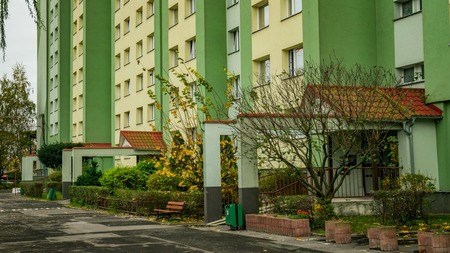
Alterations are allowed in a sectional title, but only if approved by the Body Corporate under the scheme’s rules.
Body Corporates are often very particular about external renovations — and for good reason:
- Maintain a cohesive, attractive overall look.
- Protect the structural integrity of units and adjoining properties.
- Avoid excessive noise and disruption.
- Prevent mismatched designs that create conflict between residents.
- Protect the resale value of all units.
Reasons to renovate
Owners may still have valid reasons to request changes:
- Enclose a balcony or veranda to add extra living space.
- Improve internal layout and functionality.
- Increase rental potential (see rental listings).
- Boost property value.
- Modernise features such as electrical wiring.
- Install solar or other energy-efficient systems.
- Make accessibility upgrades like ramps or step removal.
The law
All sectional titles are governed by the Sectional Title Schemes Management Act and the Sectional Titles Act 95. These laws require a Body Corporate, led by elected trustees, to manage the scheme.
Trustees draft rules and regulations for residents. Any changes to management rules or conduct rules require a special resolution (75% majority) or a unanimous resolution, depending on the change. Once passed, these rules must be lodged with the Community Schemes Ombud Service (CSOS) for certification before they are enforceable.
Rules and regulations
The scheme’s rules outline what is allowed — from colour choices for awnings to approval processes for major structural work.
Approval from trustees is usually required for any renovation, including internal changes. Plans must be submitted to ensure they comply with the complex’s structural and aesthetic standards.
Setting a precedent
Approving one external change can set a precedent for future requests. For example, approving a new window style may require updating the rules so all residents can use it in future.
Detail matters
A court case showed the importance of detail: a resident replaced garage doors with similar ones but added stained glass windows. Trustees objected but lost in court, and the rules were updated to allow stained glass.
Inspections
Trustees may inspect before, during, and after renovations, or require sign-off from an independent building inspector to ensure compliance and safety.
Working hours
Rules limit noisy work to specific hours to minimise disruption.
Rubble removal
Owners must remove building rubble responsibly. If a skip is used, trustees will specify placement and duration.
Penalties
Breaking the rules can lead to fines or, in the worst case, forced removal of unauthorised renovations.
Bottom line: Renovations can be costly, so read your scheme’s rules carefully before starting. Following proper procedures protects relationships with neighbours, avoids fines, and ensures legal compliance.