Winter has a way of exposing every weakness in your garden. The flower beds that looked full in summer suddenly appear empty, the lawn starts losing its colour, shrubs become untidy and pots that once overflowed with blooms now look tired and neglected.
But winter doesn't have to be a season where your garden simply survives until spring. In many ways, it's one of the most rewarding times to garden. Cooler temperatures mean less stress on both gardeners and plants, weeds grow more slowly, and it's the perfect opportunity to improve your outdoor space before warmer weather returns.
For South African homeowners, winter gardening has also become about something far more important than appearance. Rising municipal water costs, water restrictions and unexpected water cuts mean gardens need to work smarter, not harder. Choosing the right plants and using water efficiently can save money while keeping your outdoor space looking beautiful.
Whether you have a sprawling suburban garden, a compact townhouse courtyard or a few containers on a balcony, these practical tips will help you create a winter garden that looks great now and is ready to flourish when spring arrives.
What are the best winter plants for South African gardens?
The secret to a beautiful winter garden isn't trying to recreate summer. Instead, choose plants that naturally enjoy cooler temperatures and don't need excessive watering.
Some of the best choices include:
- Aloes – One of South Africa's most iconic winter plants, aloes provide spectacular flowers that attract birds while needing very little water.
- Spekboom – Easy to grow, incredibly drought-tolerant and one of the country's best indigenous plants for water-wise gardens.
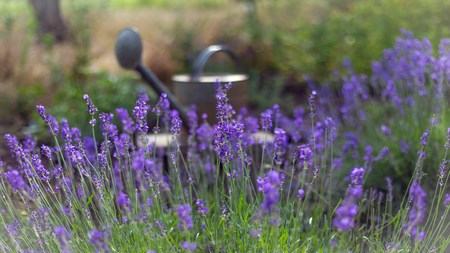
- Lavender – Adds colour, fragrance and attracts pollinators while thriving in sunny, well-drained areas.
- Rosemary – Beautiful, hardy and useful in the kitchen.
- Agapanthus – Although famous for summer flowers, the foliage provides year-round structure and requires little maintenance.
- Dietes (Wild Iris) – Excellent for borders, driveways and low-maintenance gardens.
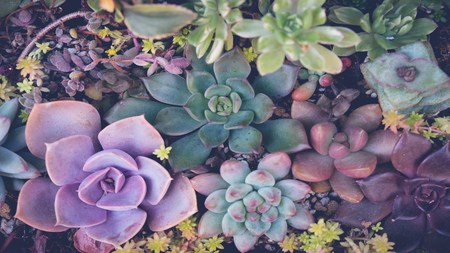
- Succulents – Available in hundreds of shapes and colours, making them ideal for modern gardens.
- Pansies and violas – Perfect for adding cheerful colour to pots and flower beds during the colder months.
If you're unsure where to start, begin with indigenous plants. They're naturally adapted to South African conditions and generally require less water and maintenance than many imported varieties.
Why winter is the perfect time to rethink your garden
Winter strips away the distractions. Without lush summer growth, it's much easier to see what's working and what isn't.
Walk around your garden and ask yourself:
- Which areas always look dry?
- Where does water collect after rain?
- Which plants constantly struggle?
- Where could you replace lawn with easier-to-maintain planting?
- Which irrigation zones seem to waste water?
These small observations can make a huge difference when planning improvements.
Many homeowners automatically buy more plants to solve a problem, when the real issue is poor soil, incorrect watering or choosing the wrong plant for the location.
How often should you water your garden in winter?
This is probably the most common winter gardening question, and the answer surprises many people.
Most South African gardens need significantly less water during winter than they do in summer.
Lower temperatures mean moisture stays in the soil for longer, while many plants slow their growth. Continuing with your summer watering schedule often does more harm than good.
Instead:
- Water deeply rather than lightly.
- Allow the soil to dry slightly between watering.
- Water early in the morning.
- Avoid watering leaves unnecessarily.
- Reduce automatic irrigation schedules.
A simple trick is to push your finger a few centimetres into the soil. If it still feels damp beneath the surface, your plants probably don't need more water yet.
How do water cuts affect your garden?
Across South Africa, unexpected water outages have become part of everyday life. While a few days without water may not kill established plants, repeated interruptions can place unnecessary stress on your garden.
Planning ahead makes all the difference.
If you know your area experiences regular water interruptions, try to:
- Store rainwater whenever possible.
- Install mulch around plants to reduce evaporation.
- Group thirsty plants together.
- Prioritise young trees and newly planted shrubs.
- Move container plants into partial shade during extended outages.
- Use greywater where appropriate, provided it doesn't contain harsh chemicals.
A water-wise garden doesn't have to look dry or boring. In fact, some of South Africa's most beautiful indigenous gardens use remarkably little water.
Which irrigation system is best for your garden?
The best irrigation system depends on what you're watering.
Drip irrigation
For most flower beds, shrubs and vegetable gardens, drip irrigation is difficult to beat. Water is delivered slowly at the root zone, meaning very little is lost through evaporation.
It also helps reduce weeds because you're only watering the plants you want to grow.
Sprinkler systems
Sprinklers remain popular for lawns, but they need to be adjusted throughout the year.
One of the biggest mistakes homeowners make is leaving their irrigation controller on the exact same schedule throughout winter.
If your lawn only needs half the water, why continue paying for the rest?
Smart irrigation controllers
Modern irrigation controllers can automatically adjust watering times according to seasonal conditions, making them an excellent investment for larger gardens.
Combined with efficient drip irrigation, they can reduce unnecessary water use while still keeping plants healthy.
Five-minute winter irrigation check
Before spring arrives, spend a few minutes checking your irrigation system.
- Look for leaking pipes.
- Replace blocked sprinkler heads.
- Adjust sprinklers spraying onto paving.
- Check timer settings.
- Inspect drip lines for blockages.
- Repair damaged fittings.
Small leaks may seem insignificant, but over several months they can waste hundreds of litres of water.
Mulch is the easiest way to save water
If there is one thing almost every South African garden benefits from, it's mulch.
A generous layer of bark chips, compost or other organic mulch helps lock moisture into the soil, suppresses weeds, improves soil health and protects plant roots from temperature extremes.
It also makes flower beds look instantly tidier.
Aim for a layer about 50 to 75 mm thick, keeping it slightly away from plant stems to prevent rot.
Use pots to brighten dull areas
Containers are one of the quickest ways to transform a winter garden.
Instead of scattering small pots around the garden, group three different-sized containers together to create an attractive focal point.
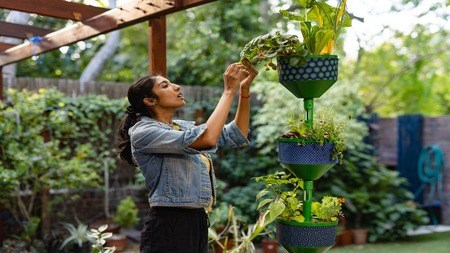
Mix leafy plants with flowering varieties and include at least one plant with interesting texture. Even a small patio can feel vibrant with just a handful of well-positioned pots.
Should you replace parts of your lawn?
Lawns are often the biggest water users in a garden. While there's nothing wrong with having a healthy lawn, many homeowners are discovering that they simply have more grass than they actually use.
If there are areas that are permanently shaded, constantly muddy or difficult to keep green, consider replacing sections with something more practical.
Options include:
- Indigenous groundcovers.
- Decorative gravel and stepping stones.
- Succulent gardens.
- Mulched planting beds.
- Ornamental grasses.
- Low-maintenance shrubs.
Reducing unnecessary lawn not only lowers your water bill but also cuts down on mowing, fertilising and ongoing maintenance.
Should you install a rainwater tank?
If your budget allows, a rainwater tank is one of the smartest investments you can make for your garden. It provides an alternative water source during restrictions, helps reduce municipal water consumption and makes it easier to keep plants healthy during unexpected outages.
Even a relatively small tank can collect thousands of litres of water over the course of a rainy season. That stored water can then be used for gardens, washing outdoor areas or topping up ponds and water features.
If you install a rainwater tank, make sure it:
- Collects water from clean roof surfaces.
- Has a secure lid to prevent contamination.
- Is fitted with an overflow outlet.
- Is cleaned periodically.
- Can easily connect to a hose or irrigation system.
Combined with efficient irrigation, rainwater harvesting can significantly reduce your reliance on municipal water.
Can greywater be used safely?
Greywater is gently used household water collected from baths, showers, bathroom basins and washing machines. During water shortages, it can be a valuable resource for ornamental gardens.
However, it should be used carefully.
Only use greywater if it contains biodegradable soaps and detergents, and avoid using water that contains bleach, disinfectants or harsh cleaning chemicals.
Apply greywater directly to the soil rather than spraying it over leaves, and avoid storing it for long periods as bacteria can multiply quickly.
Should you prune your plants in winter?
Winter is an excellent time to tidy the garden, but resist the temptation to prune everything back aggressively.
Instead, focus on:
- Removing dead or damaged branches.
- Cutting out diseased growth.
- Lightly shaping untidy shrubs.
- Removing spent flower stems.
Before pruning flowering plants, check when they bloom. Some species flower on old growth, and heavy winter pruning could remove next season's flowers before they've had a chance to develop.
How can you make your garden look good with less effort?
A beautiful garden isn't always the one with the most plants. Often it's the one that's well maintained.
Simple jobs completed regularly make a huge difference.
- Edge your lawn neatly.
- Remove dead leaves.
- Wash paving and pathways.
- Trim overgrown shrubs.
- Clean outdoor furniture.
- Replace tired potting soil.
- Add fresh mulch.
These small improvements instantly make a property feel more cared for, whether you're enjoying it yourself or preparing to sell.
How do you prepare your garden for spring?
The best spring gardens aren't created in September. They're prepared during winter.
Use the colder months to improve your soil, repair irrigation systems, divide overcrowded plants and plan where you'd like more colour once the weather warms up.
Think about:
- Which areas need more shade.
- Where additional privacy would help.
- Which plants struggled through summer.
- Whether your irrigation system still suits your garden.
- How you can reduce future water use.
Small improvements made now will save time, money and effort later.
Frequently asked questions
What are the easiest winter plants to grow in South Africa?
Aloes, spekboom, lavender, rosemary, agapanthus, dietes, succulents, pansies and violas are among the easiest winter plants because they're hardy and require relatively little maintenance.
How often should I water my garden during winter?
Most gardens require less frequent watering during winter. Water deeply when the soil begins to dry rather than watering lightly every day.
Is drip irrigation better than sprinklers?
For flower beds, shrubs and vegetable gardens, yes. Drip irrigation delivers water directly to plant roots, reducing evaporation and using significantly less water than traditional sprinklers.
Should I turn my irrigation system off in winter?
Usually not. Instead, reduce the watering schedule to match cooler weather and rainfall. Completely switching the system off may stress plants during dry winter periods.
How can I save water in my garden?
Choose indigenous plants, install drip irrigation, mulch your beds, harvest rainwater, repair leaks promptly and avoid watering during the hottest part of the day.
Can I still have a colourful garden in winter?
Absolutely. Combining winter flowering plants, evergreen shrubs, ornamental grasses, colourful pots and textured foliage creates interest throughout the colder months.
The bottom line
A successful winter garden isn't about fighting the season—it's about working with it.
By choosing hardy, water-wise plants, adjusting your irrigation, improving your soil and making the most of every drop of water, you can create an outdoor space that looks attractive throughout winter and is perfectly positioned for a spectacular spring.
Whether you're maintaining your forever home or preparing your property for sale, investing a little time in your garden during winter pays dividends. Not only will your outdoor space look healthier and more inviting, but you'll also be creating a garden that's better equipped to handle South Africa's changing climate and growing water challenges.