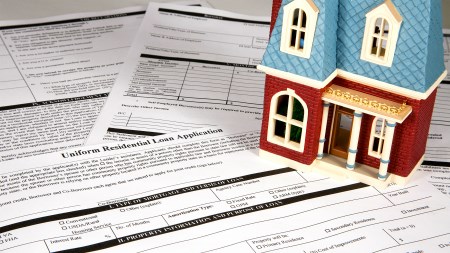
Getting into debt to pay a deposit when buying a home, can compromise your chances of qualifying for a home loan.
First time home buyers often get caught by surprise when banks ask for a deposit in order to secure a home loan.
“When applying for a home loan, banks will access your credit status to establish whether you will be able to meet the bond payments. Depending on the outcome, you are either given a 100% bond or required to put down a deposit of between 5 and 20% of the loan amount,” says Lee Mhlongo, FNB Housing Finance CEO.
To assist lower income first-time home buyers, most banks and FNB in particular, will grant the majority of customers 100% bonds without the need for deposits where customers meet affordability considerations.
However, when a deposit is required by the bank, many home owners who fear not being able to qualify, mistakenly compromise their chances of getting the home loan by taking out an alternative loan to cover the deposit.
“Taking out any form of loan while applying for a bond or during the registration process may result in the bank reversing its initial decision to grant you a home loan. This is due to the fact that your credit profile will be in a poorer state, as you will now be required to repay both your home loan and additional loan instalments monthly,” says Mhlongo.
Furthermore, you also need to take into account that you will be required to pay bond and transfer attorney fees before the house can be registered. For a house valued at R500 000, you are likely to pay around R30 000.
Mhlongo says applying for a pre-approval from your bank can give you a good indication of how much you qualify for. This gives you an opportunity to start saving in advance for the deposit and attorney fees.
Moreover, being able to pay a deposit, when you qualify for a 100% bond improves your credit score, resulting in the bank offering you an even better interest rate.
First time buyers who earn a household income between R3 501 and R15 000 per month can also use the Finance Linked Individual Subsidy Programme (FLISP) from the government to pay the deposit.
FLISP offers qualifying consumers subsidies ranging between R20 000 to R87 000 once off, provided that they haven’t benefitted from a government subsidy before and approval of the home loan from the bank.
“Keeping your credit record clean and saving in advance for a deposit and attorney fees before applying for a bond can give you peace of mind knowing that you stand a greater chance of qualifying and there are no surprise costs that will catch you off-guard,” concludes Mhlongo.